When it comes to clothes dryers, most homeowners assume the appliance is the problem when clothes take too long to dry. In reality, the dryer is usually doing its job — it’s the dryer vent installation that’s failing.
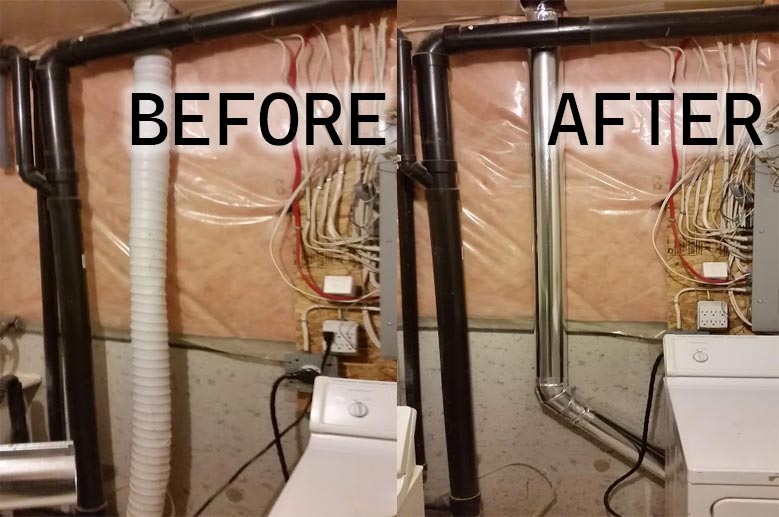
Dryer vent installation done right
A properly installed dryer vent is critical for safety, efficiency, appliance lifespan, and energy costs. Unfortunately, many dryer vents are installed using shortcuts that create airflow restrictions, moisture problems, and serious fire risks.
At Dryer Vent Installation, we specialize in installing dryer vents the right way, using approved materials, efficient layouts, and post-installation airflow testing to make sure your dryer is truly “happy” with the setup.
What Does “Proper Dryer Vent Installation” Mean?
A correct dryer vent installation isn’t just about connecting a hose and punching a hole through the wall. It’s about designing a system that allows hot, moist air and lint to exit your home quickly and safely.
A properly installed dryer vent should include:
-
Galvanized steel ductwork inside walls and ceilings
-
Fully insulated ducting when running through unconditioned spaces like attics
-
Minimal elbows and turns to reduce airflow resistance
-
Short, direct vent runs whenever possible
-
No screws or obstructions inside the ductwork
-
A proper exterior vent cap designed for dryers (not screens or pest traps)
Anything less than this can lead to slow drying times, overheating, lint buildup, and premature dryer failure.
Why Galvanized Steel Ductwork Is Essential
Flexible foil or plastic ducting is still commonly used — and it’s one of the biggest mistakes we see.
Galvanized steel ductwork is the industry-recommended material for dryer vents because it:
-
Resists crushing and sagging
-
Allows lint to move smoothly instead of snagging
-
Withstands high temperatures safely
-
Meets building and fire code requirements
Inside walls and ceilings, rigid or semi-rigid galvanized steel is the only material we install. This ensures long-term reliability and keeps lint from collecting where you can’t see it.
Insulating Dryer Vents in Attics Matters
When a dryer vent runs through an attic, insulation is not optional — it’s critical.
Uninsulated dryer ducts in cold spaces cause condensation, which leads to:
-
Wet lint buildup
-
Reduced airflow
-
Mold risks
-
Corrosion inside the duct
-
Freezing in winter months
We properly insulate attic dryer vents to maintain consistent airflow temperature and prevent moisture issues that silently destroy poorly installed systems.
Fewer Elbows = Better Drying Performance
Every elbow, bend, or unnecessary detour in a dryer vent creates resistance. More resistance means:
-
Longer drying times
-
Higher energy use
-
Increased lint buildup
-
Strain on the dryer motor and heating element
Our installations focus on the shortest, straightest path possible with minimal turns. This not only improves efficiency but dramatically reduces future maintenance and fire risk.
Dryer Vent Installation Through the Roof
In some homes, the safest and most efficient route for a dryer vent is through the roof. This is especially common in townhomes, interior laundry rooms, finished basements, and layouts where long horizontal runs would severely restrict airflow.
Roof dryer vent installations must be done correctly — improper roof venting is one of the most common causes of lint buildup, water intrusion, and recurring airflow problems.
We install a high-quality, Canadian-made roof dryer vent that is specifically engineered for dryer exhaust. Its efficient, open design allows lint and moist air to exit freely, reducing turbulence and buildup inside the vent. Unlike older-style roof caps or screened vents, this design significantly reduces the frequency of roof dryer vent cleanings while maintaining excellent airflow.
Safety and efficiency are always the priority. Our roof dryer vent installations are:
-
Properly flashed and sealed to protect the roof
-
Connected using galvanized steel ductwork
-
Designed to minimize restrictions and lint accumulation
-
Tested after installation to ensure strong airflow
When installed correctly with the right materials, a roof dryer vent can be a safe, reliable, and long-lasting solution that keeps your dryer running efficiently and your home protected.
Why Testing After Installation Is Non-Negotiable
Here’s where most installers stop — and where we don’t.
A dryer vent can look correct and still perform poorly. That’s why we test airflow after every installation to confirm the system is working as intended.
Post-installation testing ensures:
-
Proper airflow levels
-
No hidden restrictions
-
The dryer is not overheating
-
Sensors and modern dryers are operating within safe limits
In short, we don’t guess — we verify.
The Hidden Costs of Improper Dryer Vent Installation
A poorly installed dryer vent can cost you far more than the installation itself. Common consequences include:
-
Repeated dryer breakdowns
-
Blown thermal fuses and heating elements
-
High utility bills
-
Clothes that never fully dry
-
Increased fire risk
Many of our calls come from homeowners who were told they need a new dryer, when the real issue is a bad vent install.
Dryer Vent Installation Done Right the First Time
At Dryer Vent Installation, we don’t cut corners, use cheap materials, or guess. Every dryer vent installation is designed for maximum airflow, long-term safety, and real-world performance. We install your dryer vent so that when it comes to Dryer Vent Cleaning it is easy to clean and sturdy and secure.
If you want a dryer vent installed properly — using galvanized steel ductwork, insulated attic runs, minimal elbows, and verified airflow — you’re in the right place.
Because when the vent is installed correctly, your dryer works better, lasts longer, and keeps your home safer.